
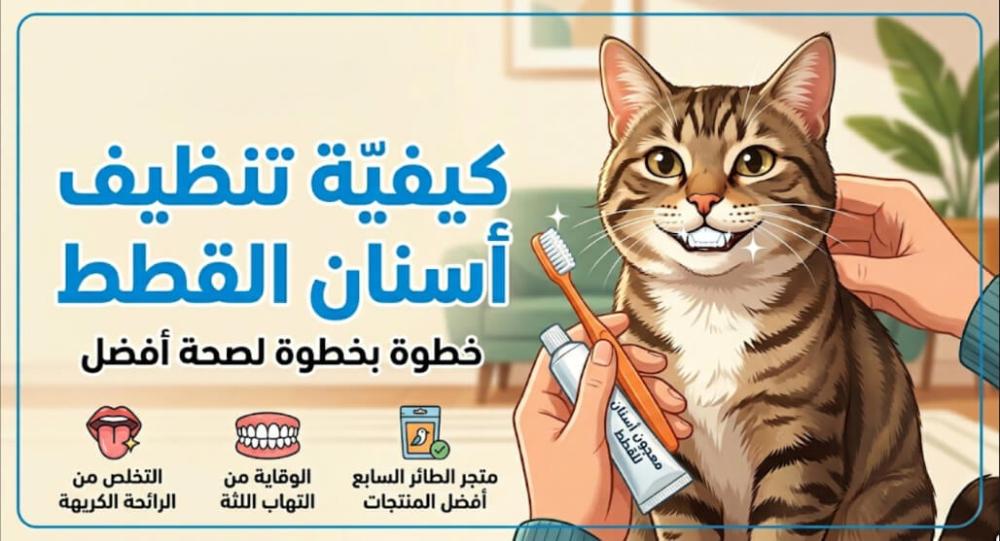
Oral health is a window into your cat's overall health. Neglecting dental care not only causes tooth loss but can also lead to complex health problems affecting the heart and kidneys. To prevent the risk of gingivitis and tooth decay in cats, we will explain in this article how to clean your cat's teeth step by step and how to keep your cat's teeth healthy and clean.
What are the reasons for caring about cats' teeth?
Cleaning a cat's teeth goes beyond simply caring for aesthetics or smell; it's a health necessity that directly affects your pet's quality of life and longevity.
Prevents limescale and plaque buildup:
When cleaning is neglected, food residue and bacteria turn into a layer of plaque, and over time it hardens into tartar. This tartar cannot be removed with a regular brush and becomes a breeding ground for bacteria that lead to contamination of cats' teeth.
Prevention of gingivitis in cats:
Accumulated bacteria attack the tissues surrounding the teeth, causing redness, swelling, and severe pain known as cat gingivitis. If left untreated, this can progress to gum recession and eventual tooth loss.
Eliminating bad breath in cats:
Bad breath in cats is often the first sign of an underlying oral health problem. Regular teeth cleaning with a suitable cat toothpaste eliminates the source of these odors and keeps your pet's breath fresh.
Protecting internal organs:
Bacteria resulting from dental contamination and gum infections can travel through the bloodstream to vital organs such as the heart, liver, and kidneys, potentially causing organ failure or chronic diseases that could have been avoided with a small piece of brushing.
Saving on veterinary costs:
Permanent home prevention protects your budget from the costs of dental cleanings under general anesthesia at veterinary clinics or the costs of tooth extraction surgeries and treatment for cat gingivitis.
Ensuring proper nutrition:
A cat with dental problems will stop eating or have difficulty chewing dry food, leading to malnutrition and weakened immunity. Cleaning a cat's teeth ensures that its mouth remains healthy and that it can eat meals with pleasure and comfort.
How to clean a cat's teeth step by step? Daily grooming routine
Cleaning your cat's teeth regularly and in a structured way ensures that your cat has clean and healthy teeth:
The familiarization and preparation phase:
Start by choosing a quiet time when your cat is relaxed and gently massage the mouth and lips area from the outside for several days until it gets used to touching this sensitive area without stress.
Introducing the flavor:
Put a small amount of cat toothpaste with a chicken or fish flavor on your fingertip and let your pet lick it. The goal here is for the cat to associate the smell of the toothpaste with the reward, not with it being a mandatory medicine.
Using the appropriate tools:
Switch to using a toothbrush specifically designed for cats or a silicone finger brush , apply a little toothpaste to it, then gently lift the upper lip and begin brushing the side teeth in gentle circular motions.
Focus on critical areas:
During cleaning, focus on the outer surface of the upper and lower teeth where bacteria that cause bad breath in cats tend to accumulate, and make sure the brush reaches the gum line without strong pressure to avoid any bleeding.
Gradual progression over time:
Do not attempt to clean the entire mouth the first time. Start with a few seconds and then gradually increase the duration in subsequent sessions until the cat gets used to the complete routine without resistance.
The final reward:
Once finished, give your cat a treat it likes or play with it to reinforce the experience of teeth cleaning as a positive and enjoyable activity in its memory.
How often should a cat's teeth be cleaned?
For best preventative results, veterinarians recommend cleaning cats' teeth daily or at least three times a week. This frequency is necessary because the plaque layer begins to harden and turn into tartar that is difficult to remove in just 24 to 48 hours.
Adhering to this schedule ensures the elimination of the causes of cat bad breath before they worsen and protects the pet from the accumulation of bacteria that later lead to contamination of the cat's teeth.
What is the difference between adult cats and kittens (kittens) in their dental care journey?
How to clean the teeth of adult cats differs from how to clean kittens:
Kittens:
At this stage, from 8 weeks to 6 months of age, the cat is in the process of replacing its milk teeth with permanent teeth. The main goal here is not deep cleaning as much as it is getting used to it. You should start by touching the mouth and using cat toothpaste to introduce it to the taste and texture so that the process becomes a natural routine in its adult life. Extreme caution is advised during the period of erupting permanent teeth because the gums are sensitive and prone to mild cat gingivitis resulting from teething.
Adult cats:
Once the permanent teeth have erupted (after 6 months of age), the focus shifts from acclimation to prevention and treatment. Adult cats are more prone to tartar buildup and tooth decay due to years of eating. At this point, brushing with cat toothpaste becomes essential to prevent chronic diseases. Adult cats also require an annual veterinary checkup to ensure there are no early signs of gingivitis or root erosion, something kittens may not need to do as frequently.
What is gingivitis in cats?
The first and most basic stage of gum disease is an immune response and swelling of the soft tissues surrounding the teeth due to bacterial buildup. If not treated seriously, it can progress to more serious conditions leading to tooth loss and damage to the jawbone.
Prevention of gingivitis in cats:
Home commitment:
Continuing to clean cats' teeth on a daily basis removes bacteria before they attack the gums.
Use the appropriate products:
Make sure to choose a cat toothpaste that contains enzymes that help break down plaque effectively.
Periodic check-up:
Always look for any change in the color of the gums, and if you notice severe swelling, you should consult a veterinarian immediately because advanced inflammation may require antibiotics or specialized medical cleaning under anesthesia.
Vico tablets, an antibiotic for treating gum infections and wounds in dogs and cats, 150mg
How does the Seventh Bird store contribute to the care journey?
The most accurate answer to the question of how to clean a cat's teeth is to visit the Seventh Bird store - which provides all the solutions and products that make cleaning a cat's teeth an easy and effective task.
The Seventh Bird store is keen to offer a select range of:
Cat toothpaste with stimulating flavors to attract your pet
Innovative toothbrushes that reach the hardest corners to prevent tooth decay in cats
Specialized dental care rewards provide fresh breath and reduce plaque and tartar.
Mouthwashes formulated with active ingredients that guarantee the elimination of tooth decay and bad breath in cats.
Bones and chew toys specially designed to reduce plaque and tartar buildup and eliminate bad breath in cats, ensuring your cat a healthy and active life free from dental pain.
Supravit Oral Health Spray for Dogs and Cats 100ml
Supravit Oral & Dental Care Spray supports the oral health of cats and dogs thanks to its special formula.
With regular use, it helps reduce bad breath, protect gum health, and prevent plaque buildup.
Thanks to its 360-degree rotating spray head, it easily reaches all areas of the mouth and does not require brushing after use.
the components:
Free from sodium fluoride, parabens, sodium lauryl sulfate, triclosan, titanium dioxide, chlorhexidine gluconate, silica hydrate, sweeteners, and colorants. Contains 100% natural active ingredients.
Conclusion:
In conclusion, remember that brushing your cat's teeth isn't a luxury; it's an essential part of your responsibility towards your furry friend. Spending just a few minutes a week using the right cat toothpaste can prevent painful gum disease and eliminate the unpleasant smell of cat breath. Don't wait until you notice signs of tooth decay or a decline in your cat's overall health; start making oral care a fun and rewarding routine now.
Frequently asked questions:
Can I use human toothpaste on my cat?
Absolutely not. Human toothpaste contains ingredients like fluoride and xylitol, which are toxic and fatal to cats if ingested. Always use a toothpaste specifically formulated for cats, which has a safe, ingestible formula and appealing flavors.
How do I know if my cat has gum disease?
There are several clear signs that indicate a problem, most notably bad breath, redness or bleeding along the gum line, excessive drooling, and difficulty eating dry food. These symptoms may indicate the onset of gingivitis in cats.
How many times a week should I clean my cat's teeth?
The ideal rate is daily cleaning, but if that is difficult, cleaning teeth 3 to 4 times a week is quite sufficient to protect teeth from tartar buildup and prevent cat dental contamination.
Does eating dry food replace brushing teeth?
Although dry food helps to slightly scrape away some plaque while chewing, it cannot reach deep areas or the gum line. Therefore, using a brush and cat toothpaste remains the only effective way to ensure complete cleanliness.
My cat completely refuses to brush, what should I do?
You can start by using the silicone "finger brush" available at Seventh Bird store, as it's less irritating for cats. You can also use a dental gel that doesn't require vigorous scrubbing or medicated treats that help reduce plaque until your cat gradually gets used to the cleaning routine.
Read more articles from The Seventh Bird about:
How old are cats when they die? Average lifespan of cats and factors that prolong their lives.
The fastest way to treat fungal infections in cats: causes, forms, and effective treatment methods